
Australia is often described as “America’s laid-back cousin.”
For Americans, it feels familiar enough to be comfortable, yet different enough to be unforgettable.
After living in Australia and experiencing the country beyond tourist highlights, one thing is clear: Australia rewards travelers who understand how things really work here — from culture and costs to safety, seasons, and lifestyle.
This Australia Travel Guide for Americans is written to help you travel smarter, avoid common mistakes, and experience Australia the way locals do.
Why Australia Feels Familiar – Yet Different – to Americans
Many Americans feel at home almost immediately in Australia. English is spoken everywhere, cities feel modern, and people are friendly. But subtle differences shape daily life:
- Less formality, more equality
- Strong work-life balance
- Outdoor lifestyle is not optional — it’s cultural
- Humor is dry, casual, and sometimes sarcastic
Understanding these differences early makes your trip smoother and more enjoyable.
Do Americans Need a Visa to Visit Australia?
Yes. All American passport holders must have a visa before arriving in Australia.
Tourist Visa for Americans
Most U.S. travelers use the Electronic Travel Authority (ETA – subclass 601):
- Valid for 12 months
- Allows stays of up to 90 days per visit
- Apply online or via the official Australian ETA app
Practical Advice from Locals
- Apply at least one week before departure
- Immigration is strict but fair
- Always answer questions honestly
Best Time for Americans to Visit Australia (Local Perspective)
One of the biggest mistakes Americans make is forgetting that Australia’s seasons are reversed.
Australian Seasons Explained
- Summer: December – February
- Autumn: March – May
- Winter: June – August
- Spring: September – November
Best Travel Windows
- September to November: Best weather nationwide
- March to May: Warm, calm, less crowded
When to Be Cautious
- December–January: School holidays + high prices
- Central Australia in summer: Extreme heat
How Expensive Is Australia for Americans?
Australia has a reputation for being expensive, but in reality, costs are similar to major U.S. cities like New York, San Francisco, or Los Angeles.
Typical Prices (USD)
- Coffee: $4–5
- Casual meal: $15–20
- Restaurant dinner: $20–30
- Mid-range hotel: $150–220/night
What Americans Appreciate Most
- No tipping pressure
- Transparent pricing
- High service standards
Money, Cards & Tipping Culture
- Currency: Australian Dollar (AUD)
- Cards accepted almost everywhere
- Cash rarely needed
- Tipping is optional, never expected
For Americans, this often feels refreshing.
Flying to Australia from the United States
Average Flight Times
- West Coast: 14–15 hours
- East Coast: 20–22 hours
Main Arrival Cities
- Sydney
- Melbourne
- Brisbane
Jet lag is real – give yourself at least one day to adjust.
Getting Around Australia Like a Local
Australia is nearly the same size as the continental U.S.
Best Transport Options
- Domestic flights for long distances
- Trains for scenic routes
- Rental cars for flexibility
- Public transport in cities
Driving is on the left-hand side, but roads are well-marked and safe.
Best Australian Cities for First-Time American Visitors
Sydney
- Iconic landmarks
- Beaches within the city
- Ideal first stop
Melbourne
- Coffee, arts, sports
- Cultural depth
- Cooler climate
Brisbane
- Warm weather
- Close to Gold Coast
- Relaxed pace
Perth
- Fewer tourists
- Incredible beaches
- Strong local vibe
Australian Beach Culture: What Americans Should Know
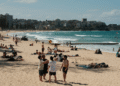
Beaches are central to Australian life.
Local Beach Rules
- Swim between the flags
- Listen to lifeguards
- Respect ocean conditions
Australian beaches are public, clean, and free – something many Americans find surprising.
Wildlife: Separating Myth from Reality
Australia’s wildlife is famous online – but daily life is very safe.
Reality Check
- You won’t see snakes in cities
- Spider encounters are rare
- Wildlife stays away from people
Animals Worth Seeing
- Kangaroos
- Koalas
- Wombats
- Whales and dolphins
Australian Culture & Social Etiquette (Important for Americans)
Cultural Differences
- Casual language is normal
- Swearing can be friendly
- Titles and hierarchy matter less
- Bragging is disliked
Australians value authenticity over status.
Safety in Australia: A Trust-Based System
Australia is consistently ranked among the safest countries in the world.
What Locals Rely On
- Clear rules
- Mutual respect
- Community trust
Use common sense and follow signs, especially in nature.
Internet, SIM Cards & Staying Connected
- Fast internet nationwide
- Affordable prepaid SIMs
- Free Wi-Fi in cities
- Reliable coverage in urban areas
Power, Adapters & Practical Tips
- Plug type: Type I
- Voltage: 230V
- Bring an adapter
What Americans Should Pack for Australia
- Sunscreen (UV is strong)
- Comfortable shoes
- Light layers
- Beachwear
Is Australia Worth Visiting for Americans?
Without hesitation – yes.
Australia offers Americans:
- Safety and comfort
- Natural beauty
- Cultural openness
- A healthier pace of life
Many Americans arrive as tourists and leave thinking about returning – or staying longer.
That’s the real Aussie vibe.