Christmas in Australia is unlike the traditional winter holiday celebrated in many parts of the world. Taking place in the middle of summer, Christmas becomes a warm, sunny and outdoors-focused celebration that blends cultural traditions with the relaxed Australian lifestyle. If you are spending Christmas in Australia for the first time, or simply want to experience it like a local, this guide walks you through the best ways to celebrate, where to go, what to do and what makes an Australian Christmas unique.
Understanding how Australians celebrate Christmas starts with the climate. December is the peak of summer, bringing long daylight hours, high temperatures and perfect conditions for outdoor activities. This influences almost every aspect of the holiday, from meals to events and family gatherings. Instead of staying indoors by a fireplace, many Australians take Christmas celebrations outside, heading to beaches, parks or backyards.
One of the most iconic experiences is attending a carols night. Carols by Candlelight events take place in cities and regional towns across the country, bringing communities together to sing Christmas songs under the evening sky. Major events in Sydney and Melbourne draw thousands of people, but smaller communities also offer warm and family-friendly gatherings. If you want to experience a traditional Australian Christmas moment, joining one of these carol events is an excellent place to start.
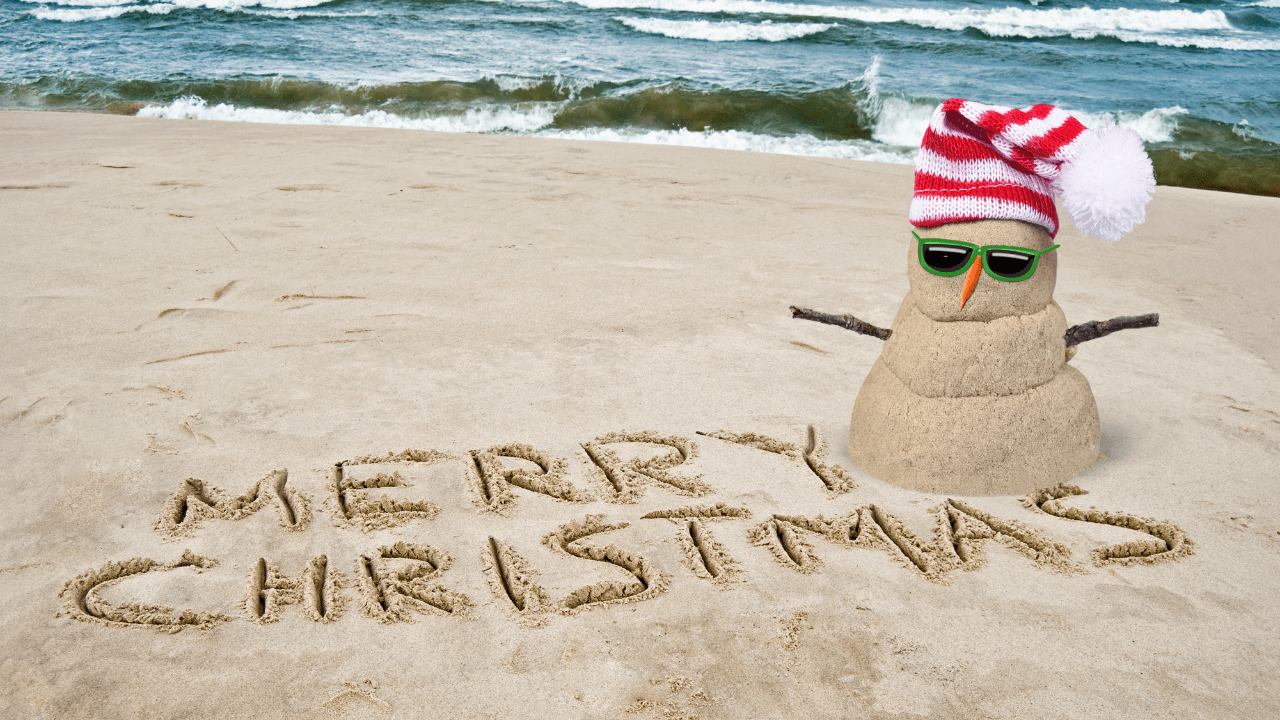
A major part of celebrating Christmas in Australia is spending the day outdoors. Beaches become popular destinations for both locals and visitors. Bondi Beach in Sydney is internationally known for its Christmas Day gatherings, often featuring visitors from around the world, casual beach picnics and even the occasional appearance of a surfing Santa. Other beaches such as Manly, St Kilda, Surfers Paradise and Scarborough also attract large crowds. If you choose to celebrate Christmas at the beach, arrive early, pack sunscreen and follow surf safety guidelines.
Food is central to Christmas celebrations, and in Australia the menu reflects summer weather. Instead of a heavy roasted meal, many families prefer seafood, cold meats, fresh salads and fruits. Prawns are especially iconic in Australian Christmas cuisine, often sold in large quantities during the holiday week. Pavlova, a meringue-based dessert topped with seasonal fruits, is a favourite across the country. If you want to celebrate like a local, consider preparing a Christmas lunch outdoors with seafood, cold dishes and light desserts.
Christmas markets are another key part of the holiday season. Major cities host festive markets offering gifts, decorations, handmade crafts, food stalls and live entertainment. Markets such as The Rocks Christmas Market in Sydney, Queen Victoria Market in Melbourne and various night markets in Brisbane and Perth create a lively atmosphere and are perfect for shopping or enjoying seasonal treats. These markets typically operate throughout December, providing a chance to enjoy local culture leading up to Christmas Day.
Many Australians also decorate their homes extensively with Christmas lights. Some neighbourhoods are known for transforming entire streets into illuminated displays, drawing families who drive around to admire the lights. Major cities also install large Christmas trees, light projections and festive decorations in public squares. Exploring these light displays is a popular evening activity in the week leading up to Christmas.
If you are looking for more structured activities, many cities offer Christmas festivals, concerts, outdoor cinema screenings, firework shows and themed attractions. Families often take part in community barbecues, school events, church services and charity drives. Christmas Eve and Christmas morning services are common in churches nationwide, offering a more traditional way to celebrate for those who choose a religious approach.
Another important aspect of celebrating Christmas in Australia is the cultural diversity that influences how families observe the holiday. With communities from every part of the world, Christmas traditions vary widely, blending European customs with Asian, Pacific and American influences. This multicultural environment creates a rich and inclusive festive atmosphere.
Celebrations continue beyond Christmas Day, as Boxing Day (26 December) is a significant part of the holiday period in Australia. Many people spend the day watching the Sydney to Hobart Yacht Race or the Boxing Day Test cricket match in Melbourne. Others take advantage of one of the biggest shopping events of the year, as major retailers launch large sales. This makes the holiday season feel extended and lively.
To fully enjoy Christmas in Australia, planning ahead can make the experience smoother. Public transport schedules change on Christmas Day, and most supermarkets and restaurants close early or do not open at all. Beaches and parks get crowded, so preparing your location early helps ensure a good spot. Because the weather can be hot, staying hydrated and using sun protection is essential. If you are travelling, booking accommodation and activities in advance is recommended, as December is a peak tourism period.
Celebrating Christmas in Australia is ultimately about embracing the relaxed summer atmosphere, connecting with others and enjoying the outdoors. Whether you spend the day at the beach, attend a carols event, explore Christmas markets or share a seafood lunch with family and friends, the experience offers something memorable and distinctly Australian. By understanding local customs and exploring the varied activities available, you can celebrate Christmas in Australia in a way that feels natural, festive and enjoyable.