Australia is not just a country; it is a continent of extremes. While the southern cities might be shivering in a crisp winter breeze, the tropical north is basking in balmy 30°C sunshine. Deciding the best time to visit Australia is the most critical step in your travel planning.
In this comprehensive guide, we’ll dive deep into every season, every state, and every “hidden” detail to ensure your trip to the Land Down Under is nothing short of legendary.
1. The Golden Rule: North vs. South
To understand Australian travel, you must draw an imaginary line through the middle.
- The South (Sydney, Melbourne, Adelaide, Perth, Hobart): Follows four distinct seasons. Best visited in late Spring (Oct-Nov) and Summer (Dec-Feb).
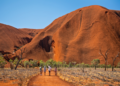
- The North (Cairns, Darwin, The Kimberley, Broome): Follows two seasons: The Wet and The Dry. Best visited in the Dry Season (May-October).
2. Summer (December – February): The High Season
Summer is the time of “The Great Australian Dream.” It’s about cricket on the beach, cold beers, and shimmering coastlines.
Where to go:
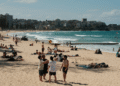
- Sydney: This is the undisputed capital of summer. The city atmosphere is electric. Most tourists head straight for the iconic landmarks, but if you want to experience the coast like a local, you must look beyond the surf. While Bondi Beach: More Than Just a Beach offers an incredible vibe, summer is the perfect time to explore more secluded spots.
- Tasmania: If the mainland heat (often hitting 35°C+) is too much, Tasmania is the perfect escape with mild temperatures and stunning lavender fields in full bloom.
Summer Activities:
- Beach Hopping: This is the prime time to visit the Best Beaches in Sydney. However, because it’s peak season, the famous spots can get crowded. We recommend finding serenity at some of the Hidden Beaches in Sydney: Top 10 for a more private experience.
- Outdoor Dining: Nothing beats a summer picnic. Check out the BBQ & Picnic Spots in Sydney to plan your Christmas or New Year’s lunch.
3. Autumn (March – May): The Food & Wine Window
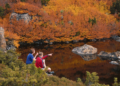
Autumn is widely considered by locals to be the most beautiful time of year. The crowds thin out, the prices drop, and the landscape turns a magnificent shade of gold.
Highlights:
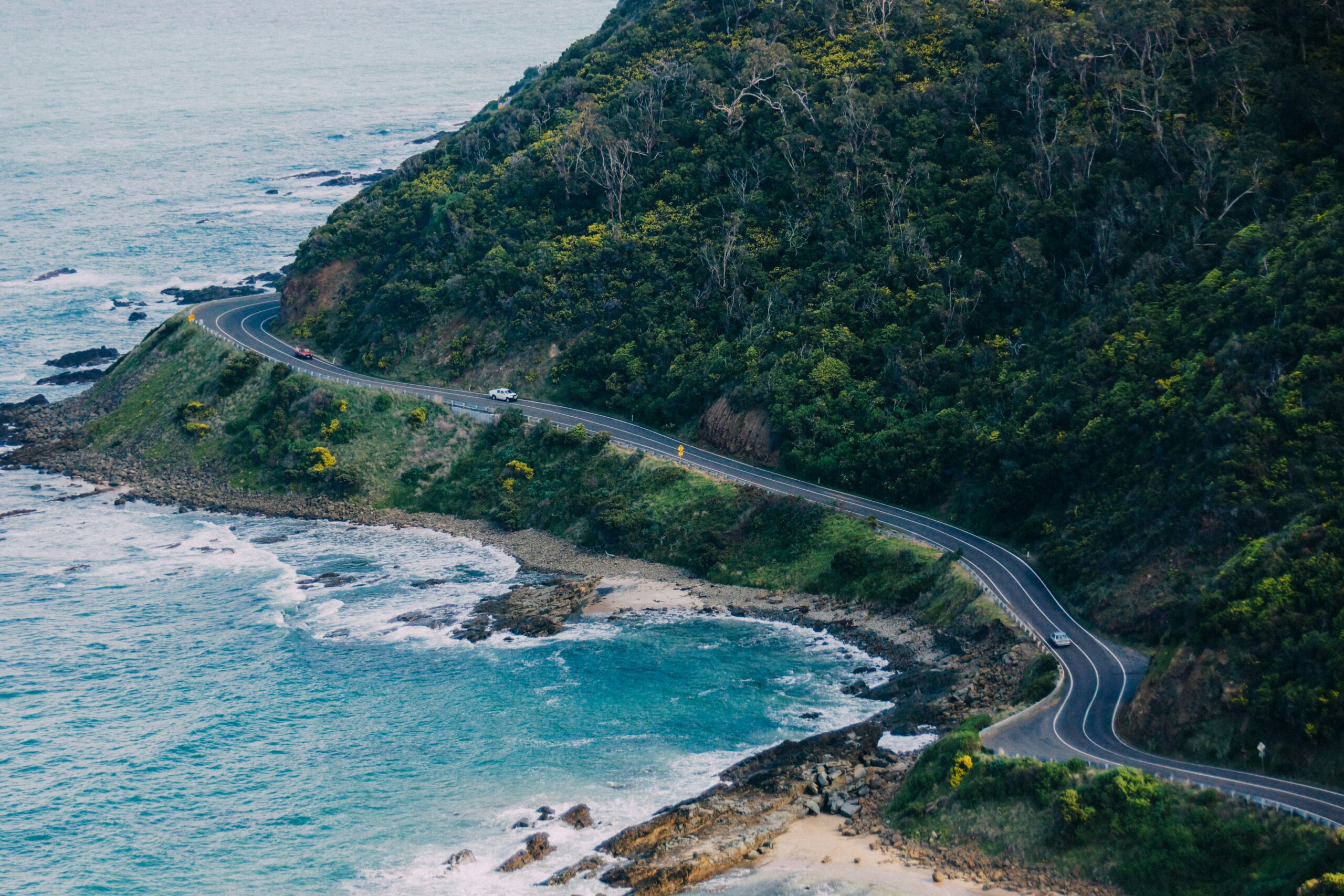
- Wildlife: The cooler temperatures make animals more active. It’s a great time to visit Kangaroo Island or the Great Ocean Road.
- Hiking: Autumn is the safest and most comfortable time to explore the bush. The trails in the Royal National Park are spectacular in April, offering crisp air and stunning coastal views without the summer humidity.
The “Hidden Gems” of Autumn:
With fewer tourists, it’s the best time to seek out Best Places to Visit in Australia: Hidden Gems. Places like the Adelaide Hills or the High Country in Victoria offer world-class food and wine experiences during the harvest season.
4. Winter (June – August): Snow & Tropical Sun
Winter in Australia is a “choose your own adventure” season.
The Tropical North (The “Dry” Season)
If you hate the cold, head North. This is the only time to visit Darwin and Cairns. The humidity is low, the water is crystal clear, and the dangerous box jellyfish (stingers) are largely absent from the coastal waters.
- Top Tip: Visit the Great Barrier Reef in July for the best visibility.
The Southern Winter
In the south, cities like Melbourne and Hobart embrace the “cozy” life.
- Vivid Sydney (May/June): Sydney transforms into a canvas of light and music.
- Skiing: Australia’s ski season peaks in July. Head to the Snowy Mountains for a unique alpine experience.
5. Spring (September – November): The “Sweet Spot”
Spring is the “Shoulder Season” that offers the best of both worlds. The south is warming up, and the north hasn’t yet hit the intense heat of the Wet Season.
- Wildflowers: Western Australia becomes a floral wonderland.
- Whale Watching: September is peak whale migration season along the East Coast.
- Early Beach Days: You can enjoy the Best Beaches in Sydney without the December crowds. It’s also the ideal time to scout for Hidden Beaches in Sydney before the school holidays begin.
6. Deep Dive: Regional Breakdown
New South Wales (NSW)
- Best Time: October to April.
- Why: For the ultimate lifestyle experience. Combine a trip to Bondi with a hike and a BBQ at the Royal National Park.
Queensland (QLD)
- Best Time: June to October.
- Why: To avoid the cyclone season and the sweltering humidity of summer. Winter in QLD feels like a perfect summer in Europe.
Victoria (VIC)
- Best Time: November to March.
- Why: Melbourne’s weather is famous for having “four seasons in one day.” Summer is your best bet for consistent sunshine on the Great Ocean Road.
Western Australia (WA)
- Best Time: September to November (South) or May to August (North/The Kimberley).
- Why: WA is so large it has multiple climate zones. Don’t miss the Ningaloo Reef whale shark season (March-July).
7. Budgeting for Your Trip: When is it Cheapest?
Australia is a premium destination, but timing your visit can save you thousands.
- Cheapest Months: May, June, and November. These months sit between the major school holidays and festivals.
- Most Expensive: Late December to late January. This is the peak of the Australian school holidays. Prices for accommodation can triple during this time.
- The “Sweet Spot”: Mid-February to March. The weather is still hot, but the “family crowd” has gone back to school, and flight prices start to stabilize.
8. Australia’s “Must-Experience” Calendar 2025-2026
- January: Australian Open (Melbourne) & Sydney Festival.
- March: Melbourne Food & Wine Festival & Formula 1 Grand Prix.
- May/June: Vivid Sydney – A light and music extravaganza.
- August: The Darwin Festival – Celebrating tropical culture.
- December: Boxing Day Test (Cricket) & Sydney to Hobart Yacht Race.
9. Conclusion: Your Journey Awaits
Whether you are a sun-seeker chasing the vibes of Bondi Beach, an explorer looking for Hidden Gems, or a family looking for the perfect BBQ spot in Sydney, Australia has a season for you.
Our recommendation? If you want the most balanced experience, aim for late October or early November. You get the warmth, the wildlife, and the beauty of Australia without the peak-season price tag.